Mastering Sustainable Custom Apparel: Your Eco-Savvy Style Playbook
Sustainable custom apparel isn’t just a trend—it’s your new style secret weapon. Choosing between direct-to-garment printing and direct-to-film printing can make all the difference in eco-friendly fashion. Ready to learn which fabrics, prints, and care tips keep your custom pieces fresh and planet-friendly? Let’s break down the must-know moves for designing responsibly and rocking your look with Hautebizz. For more insights, check this guide.
Choosing Eco-Friendly Fabrics
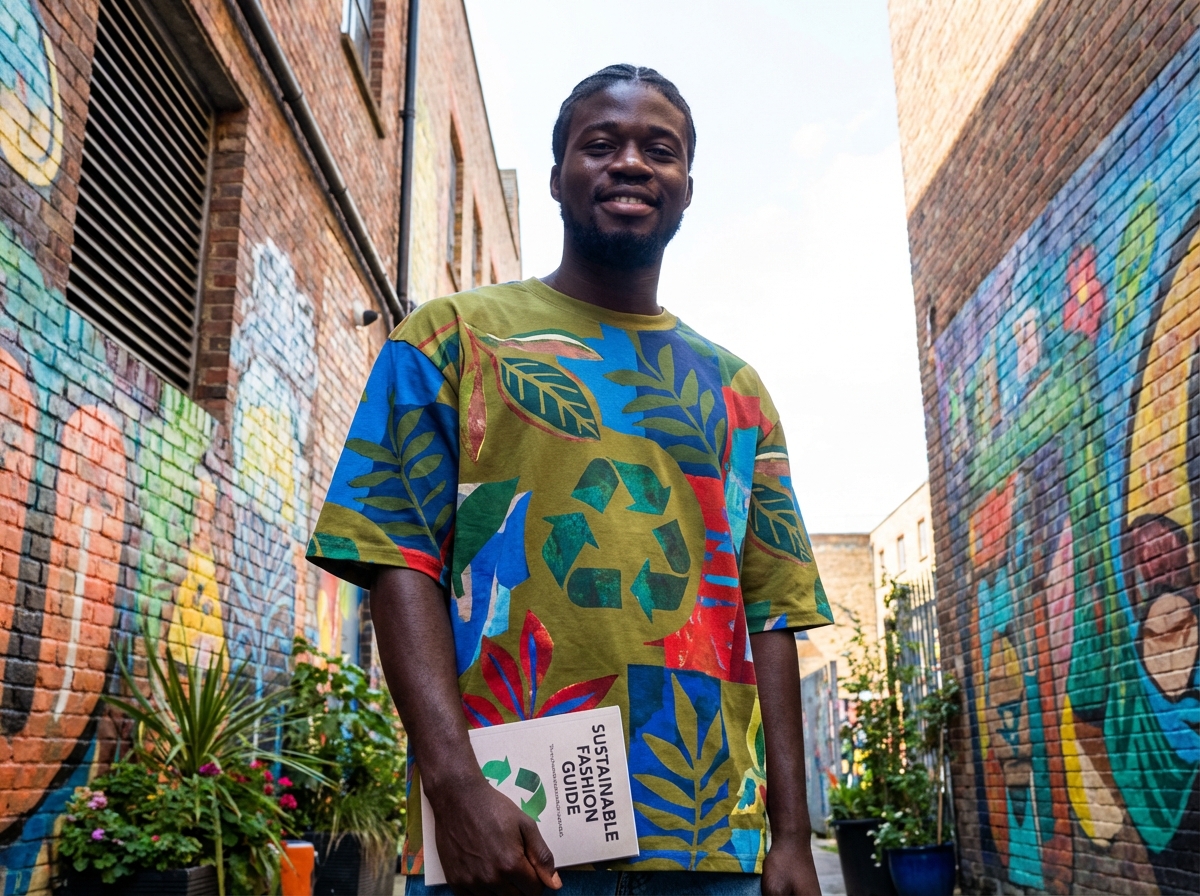
Your choice of fabric sets the tone for a sustainable wardrobe. Picking the right material can transform your style and reduce your carbon footprint.
Organic Cotton vs Recycled Polyester
Organic cotton is your go-to for a soft, breathable feel. It’s grown without harmful pesticides, making it better for the planet. Did you know that organic cotton uses 91% less water than regular cotton? This makes it a stellar choice for eco-friendly fashion lovers.
Recycled polyester, on the other hand, gives new life to plastic waste. It’s durable and works well for activewear, like hoodies. The production of recycled polyester uses 30% less energy than virgin polyester. This makes it a smart pick if you’re looking to balance comfort and sustainability.
Sustainable Materials for Custom Apparel
Looking for more options? Hemp and bamboo fabrics are rising stars in sustainable fashion. Hemp grows quickly and uses less water, making it a highly renewable choice. Bamboo, known for its softness, also thrives with minimal resources. For something durable and stylish, consider Tencel. Made from wood pulp, it’s both biodegradable and silky smooth.
Exploring these materials can help you design unique custom pieces that are kind to the Earth. Dive into the world of sustainable clothing for more inspiration.
Printing Techniques: DTG vs DTF

Choosing the right printing method can impact both the look of your apparel and the environment. Let’s explore how to make the best choice for your custom designs.
Direct-to-Garment Printing Explained
Direct-to-garment (DTG) printing is perfect for intricate designs. It uses water-based inks that soak into the fabric, offering vibrant colors and soft finishes. This method is great for one-off designs or small batches. Plus, DTG creates minimal waste, aligning with eco-friendly values.
While DTG is versatile, it’s best suited for cotton fabrics. Keep in mind, the ink can fade if not cared for properly. Always wash your DTG prints inside out to preserve their brilliance.
Direct-to-Film Printing Insights
Direct-to-film (DTF) printing offers flexibility with materials. It prints designs onto a film that can be transferred to various fabrics. This method works well on both cotton and polyester, making it ideal for custom athletic wear. DTF also stands out for its ability to produce durable prints.
A key advantage is that DTF requires less water and power compared to traditional methods. This makes it a low-waste printing option, perfect for sustainable apparel projects. Curious to learn more? Check out this guide on sustainable printing techniques.
Designing and Caring for Sustainable Apparel

Creating eco-friendly fashion doesn’t stop at choosing materials and prints. Design responsibly and care for your pieces to maximize their lifespan.
Responsible Design Practices
When designing, think about the entire lifecycle of your garment. Opt for classic cuts that won’t go out of style. This reduces the need for frequent replacements, saving resources. For custom designs, consider using digital mock-ups. They help visualize your piece without wasteful samples.
Another tip: keep embellishments minimal. This ensures your garments are easier to recycle at the end of their life. Most people assume more is better, but simplicity can be just as striking.
Care Tips for Prints and Fabrics
Caring for your custom pieces is key to longevity. Always follow the wash instructions on the label. Use cold water to save energy and prevent fabric wear. Avoid harsh detergents that can break down fibers.
For prints, turn garments inside out before washing. This reduces friction and helps maintain vibrant colors. Line drying is another great way to preserve your apparel and lower energy use.
By adopting these practices, you not only extend the life of your garments but also contribute to a greener planet. Explore more on sustainable fashion styling tips.